 Image 1 of 5
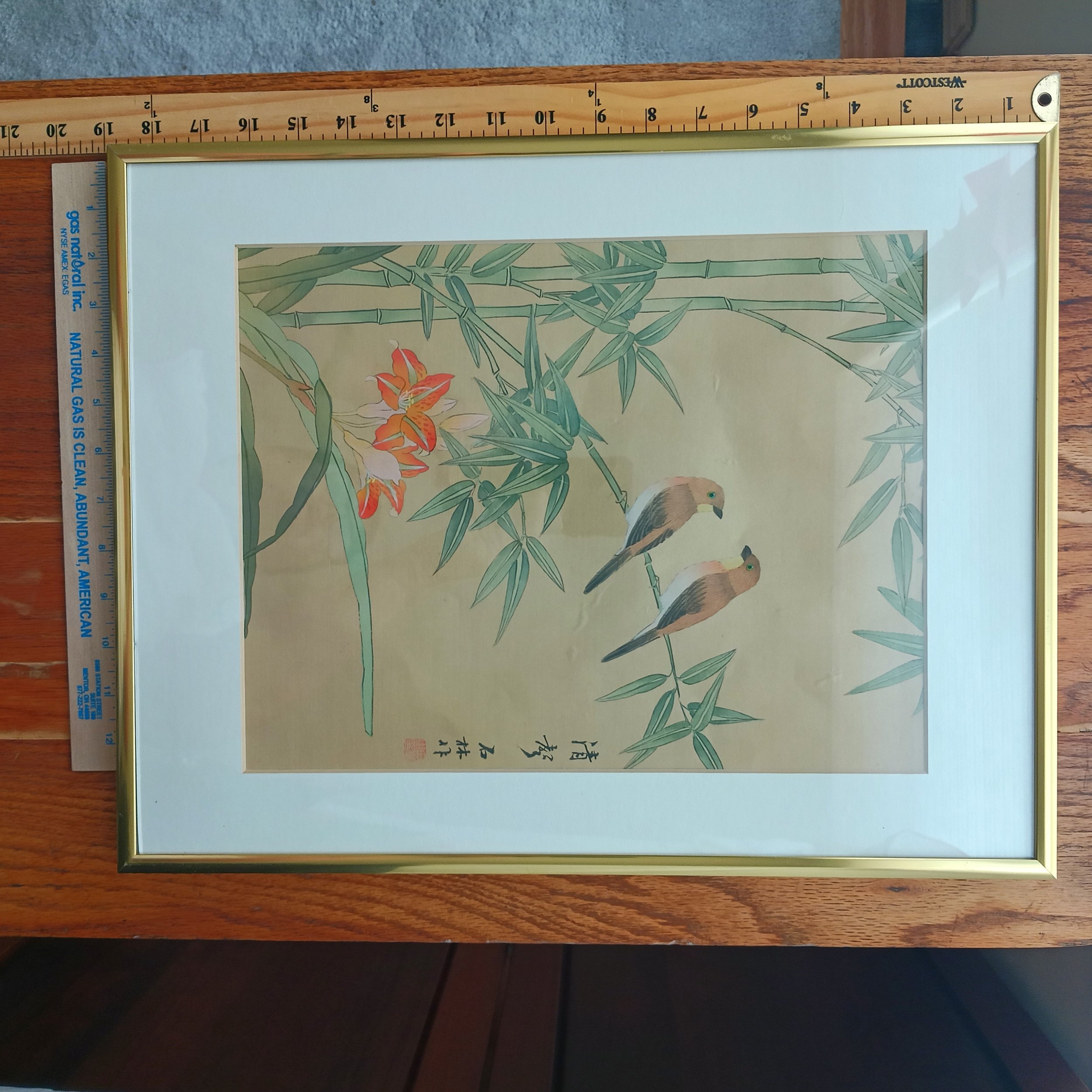 Image 2 of 5
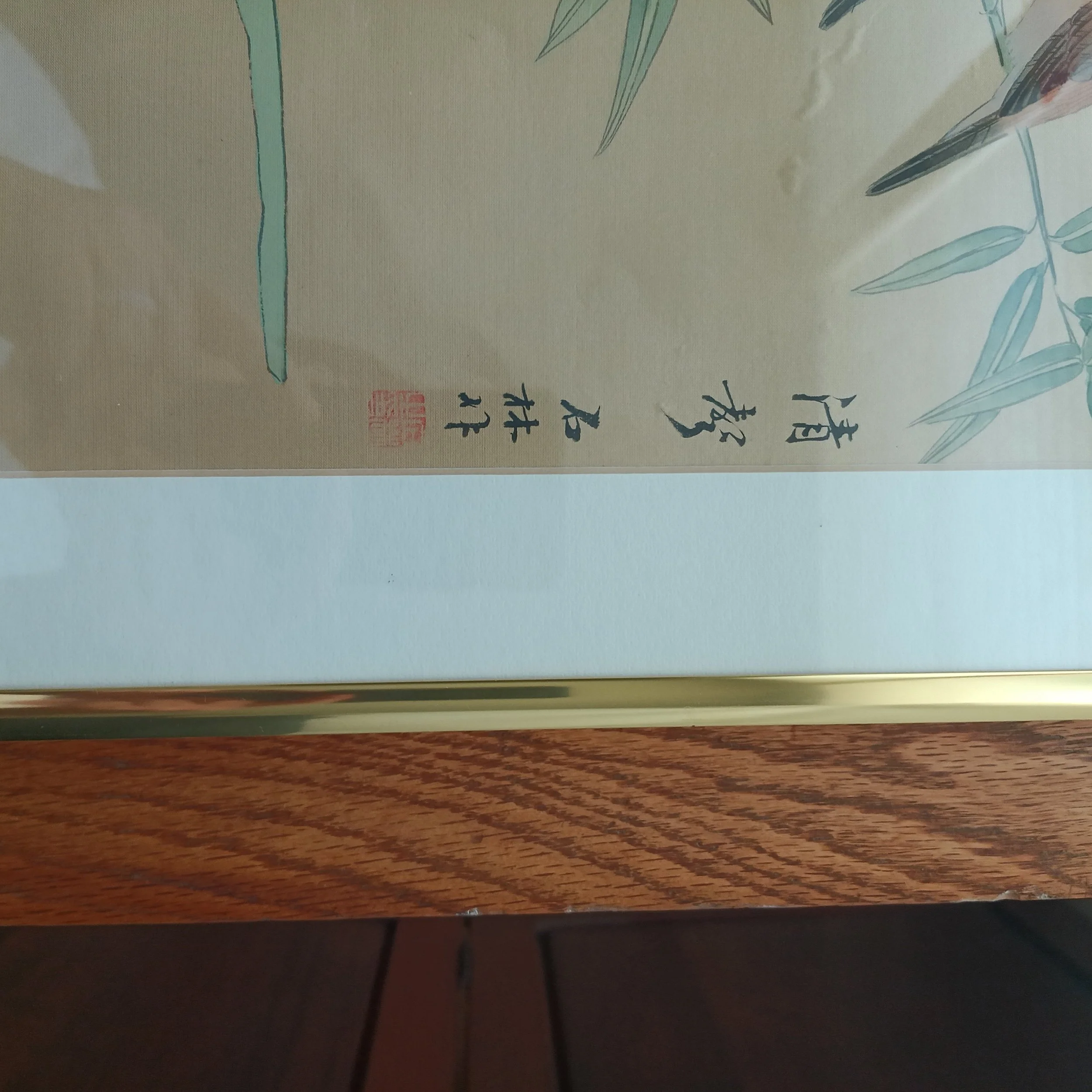 Image 3 of 5
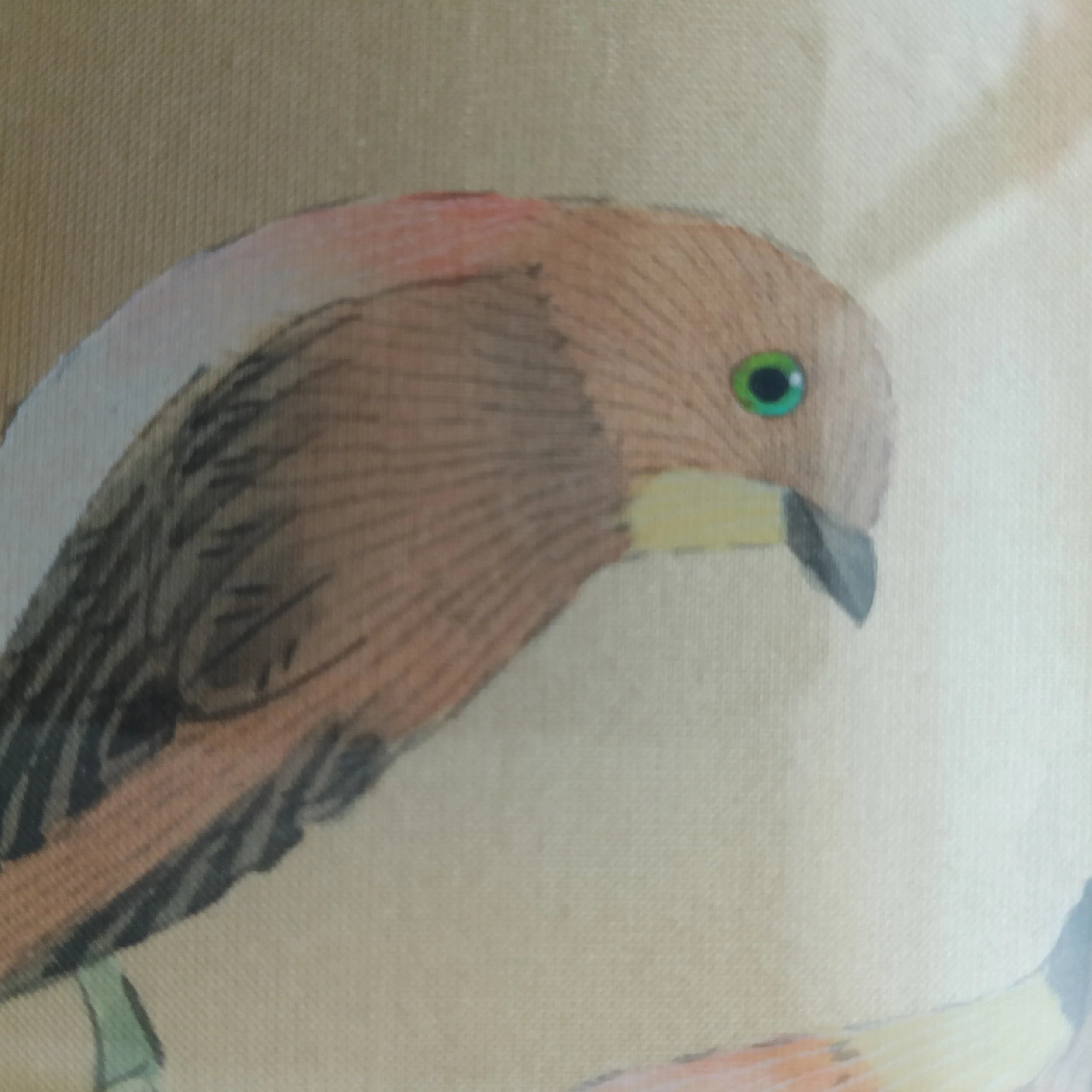 Image 4 of 5
 Image 5 of 5
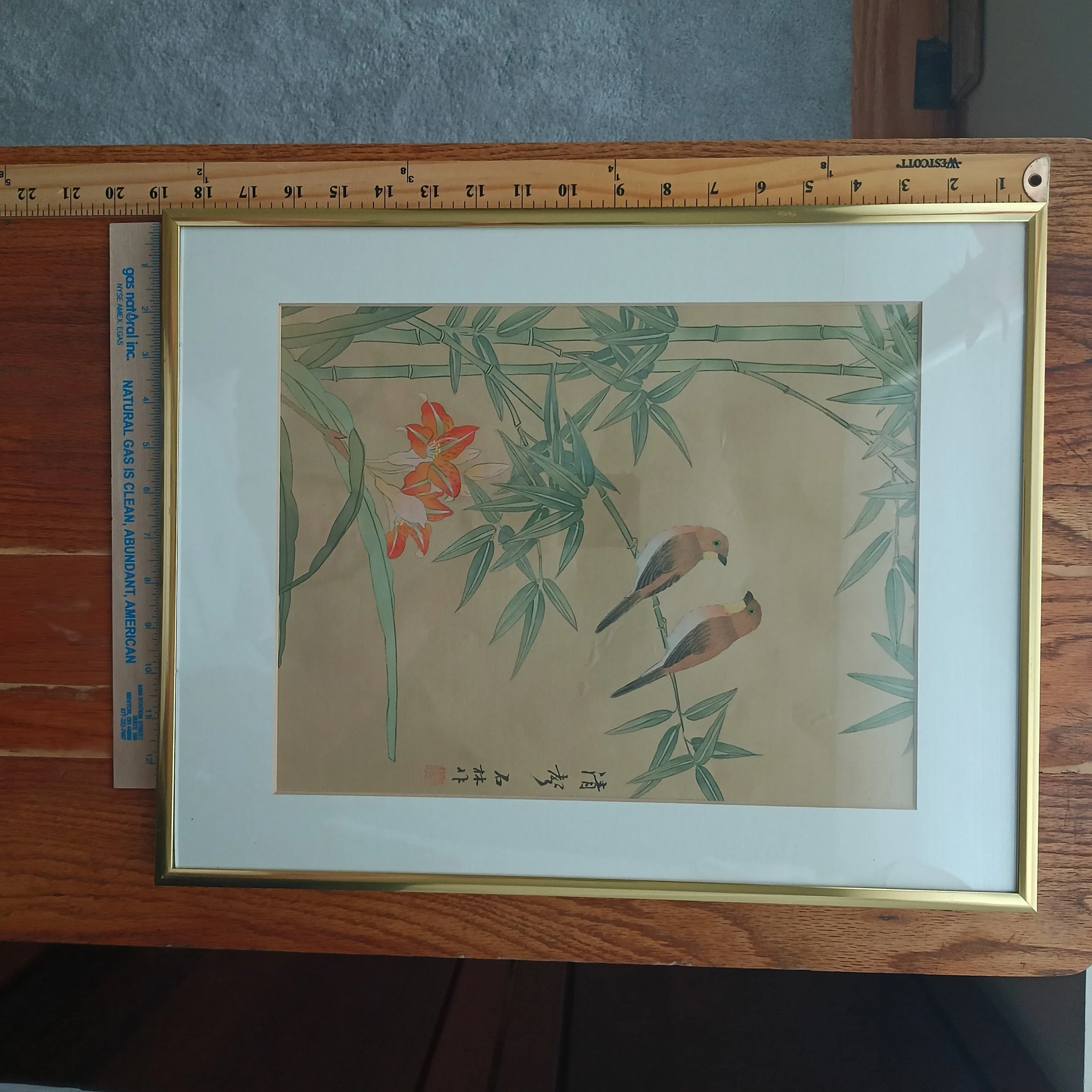
Overview: A vintage Chinese painting on silk is a work of traditional East Asian art executed on a silk ground, often mounted as a hanging scroll, handscroll, or framed panel. These pieces commonly date from the late Qing dynasty (19th–early 20th century) or the Republican period, though older examples exist. The silk support yields a delicate surface and luminous coloration, producing a refined aesthetic distinct from paintings on paper.
Materials and Techniques
Support: Silk, typically a finely woven plain weave or slightly textured silk; sometimes multiple layers for reinforcement.
Ground: The silk may be sized with animal glue (hide glue) to reduce absorbency and stabilize the surface.
Pigments: Mineral pigments (e.g., azurite, malachite, cinnabar), ink (carbon-based), and organic dyes. Mineral pigments give saturated, lasting color; ink provides line work and wash effects.
Brushes: Traditional Chinese brushes with soft,
Overview: A vintage Chinese painting on silk is a work of traditional East Asian art executed on a silk ground, often mounted as a hanging scroll, handscroll, or framed panel. These pieces commonly date from the late Qing dynasty (19th–early 20th century) or the Republican period, though older examples exist. The silk support yields a delicate surface and luminous coloration, producing a refined aesthetic distinct from paintings on paper.
Materials and Techniques
Support: Silk, typically a finely woven plain weave or slightly textured silk; sometimes multiple layers for reinforcement.
Ground: The silk may be sized with animal glue (hide glue) to reduce absorbency and stabilize the surface.
Pigments: Mineral pigments (e.g., azurite, malachite, cinnabar), ink (carbon-based), and organic dyes. Mineral pigments give saturated, lasting color; ink provides line work and wash effects.
Brushes: Traditional Chinese brushes with soft,