 Image 1 of 5
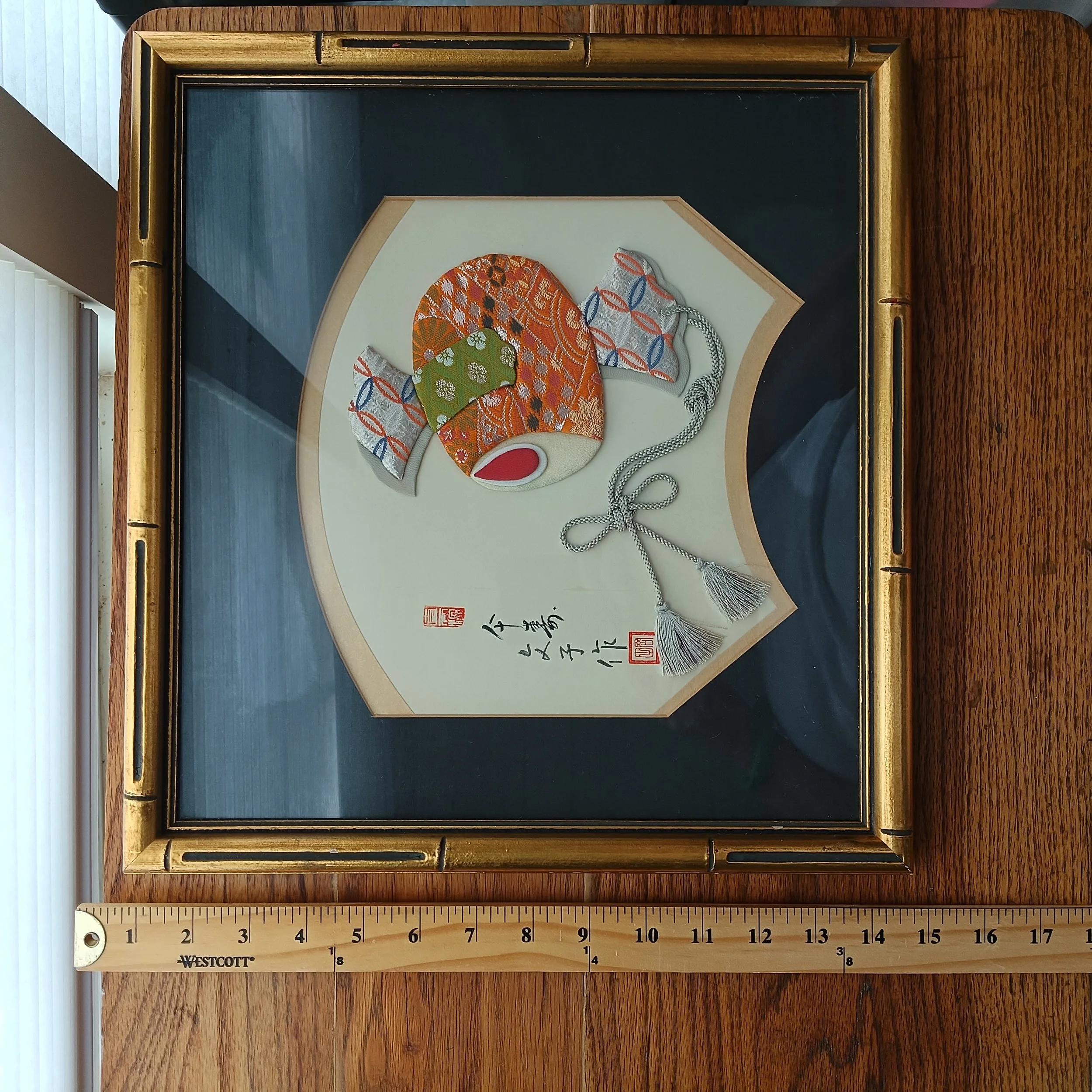 Image 2 of 5
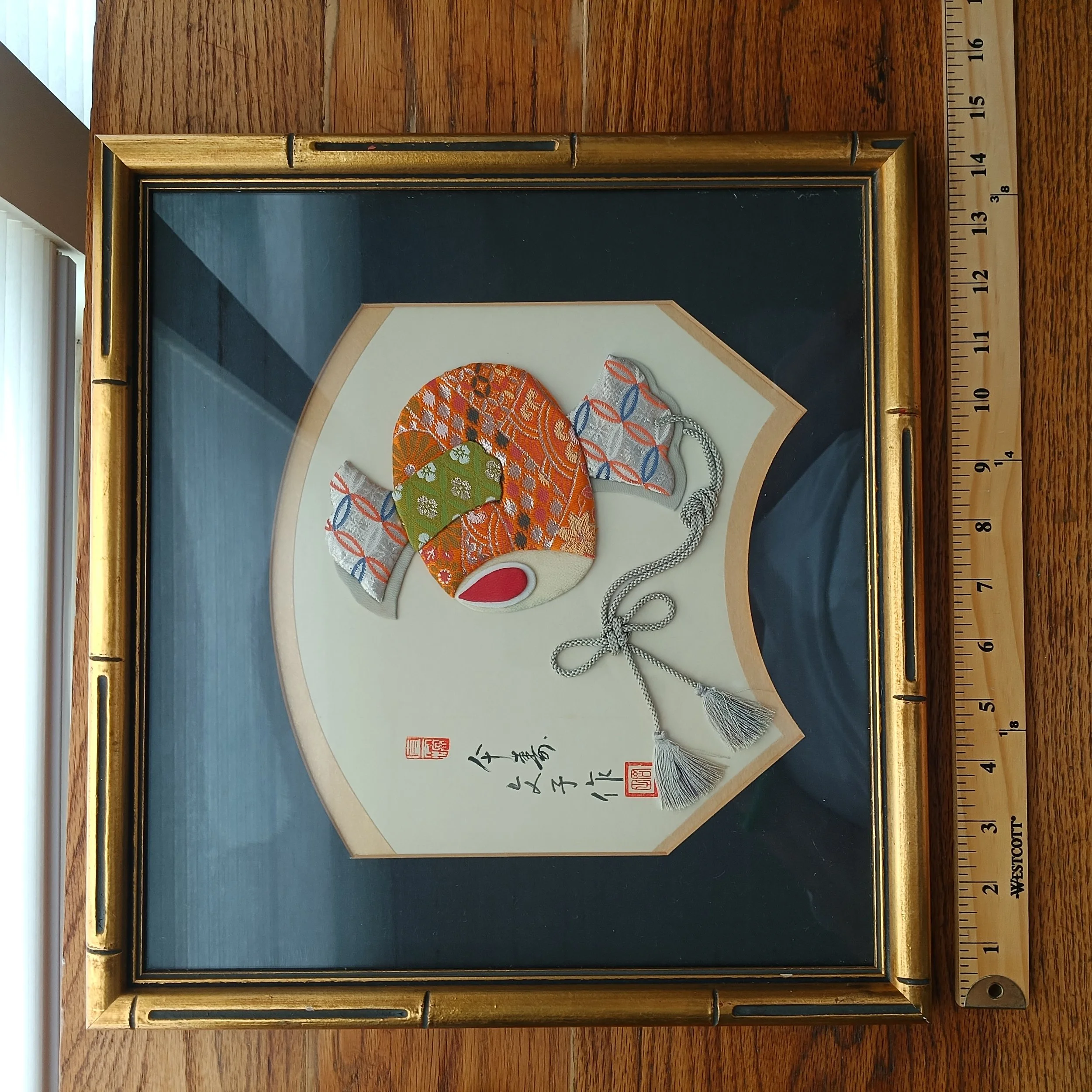 Image 3 of 5
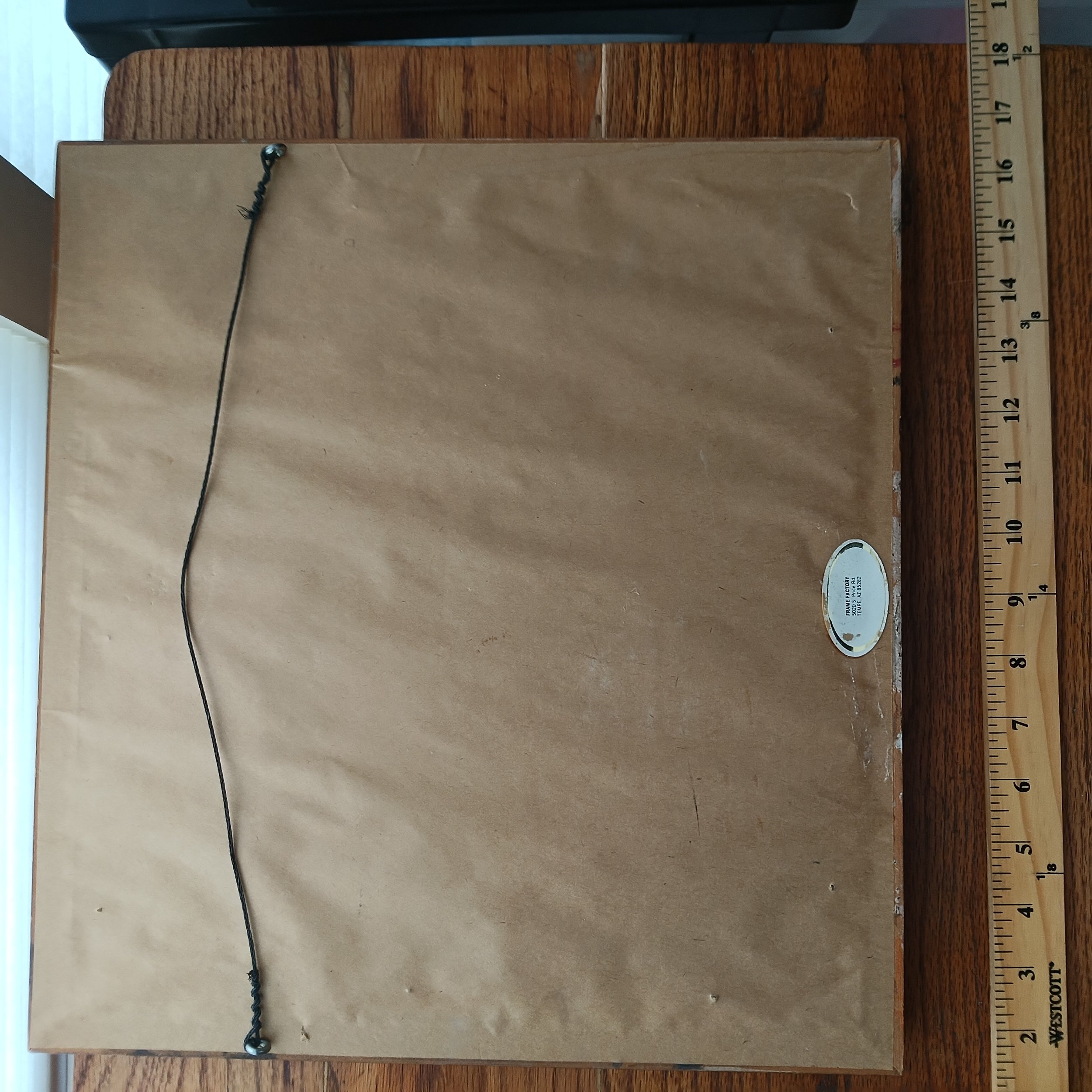 Image 4 of 5
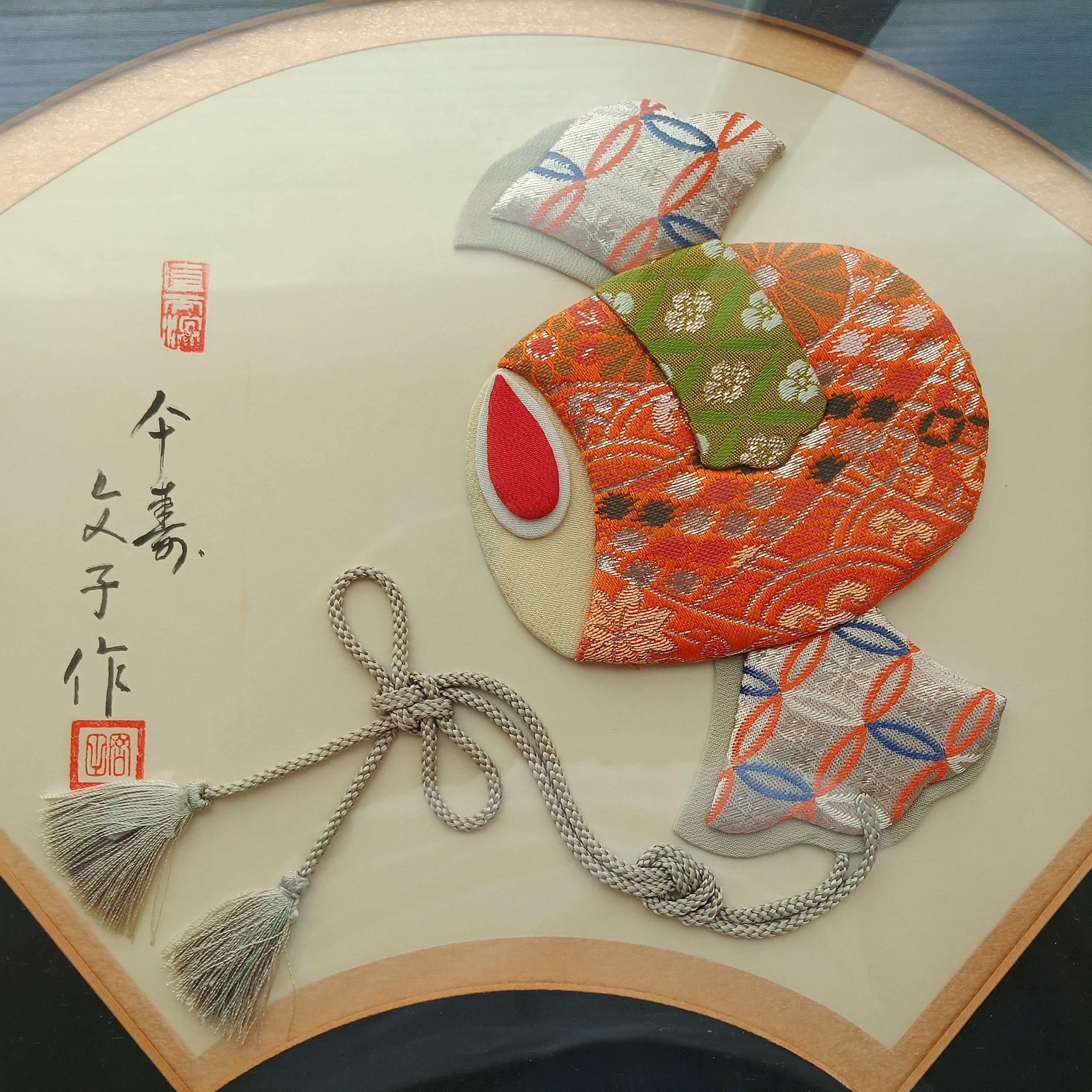 Image 5 of 5
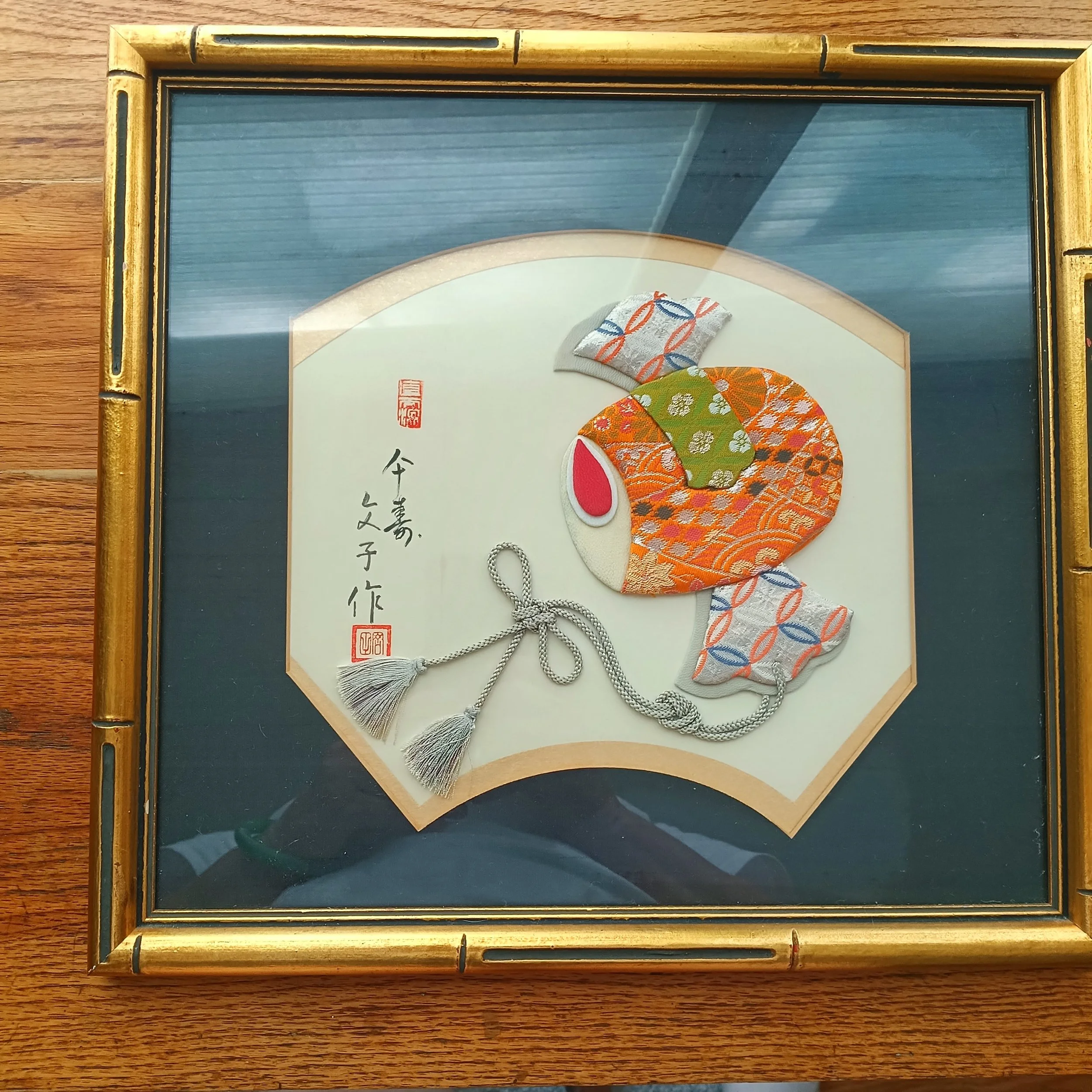
Translate from Japanese on art work - Fumiko makes a picture Japanese Oshi-e-Shikishi Pressed Fabric Picture
Title: Japanese Oshi-e Shikishi — Pressed Fabric Picture (Late Meiji–Taisho Period)
Description: An elegant example of oshi-e shikishi, a Japanese pressed fabric picture mounted on a shikishi board, dating from the late Meiji to Taisho period (circa 1890–1920). The composition features layered silk and satin cutwork, hand-pressed and stitched to create a gently bas-relief image of a standing bijin (beautiful woman) in formal kimono. The figure is set against a soft gilt-flecked ground with subtle hand-painted details for facial features and floral motifs. The color palette includes ivory, soft peach, muted indigo, and gold highlights, all carefully selected to emphasize texture and dimensionality.
Materials and Technique:
Mounted on traditional shikishi (thick cardboard backing covered in paper with gilted edges).
Silk and satin fabric appliqué, layered and pressed (oshi-e technique) to form raised elements.
Hand-painted details in sumi ink and mineral pigments for face, hands, and fine patterning.
Embroidery and stitched accents in silk thread enhance kimono folds and obi knots.
Gilt-fleck or mica embellishments applied to background for subtle luminosity.
Condition: Overall good condition for its age. Fabric and pigments show expected fading and soiling consistent with age and display. Minor losses to outermost textile edges and small spots of pigment loss on the painted face, neither of which detracts significantly from the composition. The shikishi board has light foxing and slight corner wear; original gilt edge largely intact. No major tears or insect damage detected.
Size: Shikishi board: approximately 9.5 x 8.5 inches (24.1 x 21.6 cm). Image area slightly smaller.
Provenance: Private collection (United States), acquired in the late 20th century. No export or ownership restrictions known.
Cultural and Historical Notes: Oshi-e (pushed picture) developed in the Edo period but became particularly refined for decorative and gift objects in the Meiji and Taisho eras as Japan opened to international tastes and increased production of high-quality artisanal goods. Artisans layered cut textiles to create low-relief images that combined painting, applique, and embroidery. Shikishi-mounted oshi-e often depicted theatrical figures, seasonal motifs, or fashionable women, and were used as wall or shelf decorations in domestic interiors. The use of gilt and mica reflected the period’s interest in combining traditional techniques with decorative glints that appealed to both domestic and export markets.
Display and Care Recommendations:
Display away from direct sunlight and strong artificial light to minimize further fading of dyes and pigments.
Maintain stable humidity and temperature; avoid basements or attics where fluctuations are common.
If framing, use UV-filtering glazing and a spacer to prevent the glass from touching the fabric surface.
Do not attempt cleaning with water or solvents. For surface dusting, use a soft natural-hair brush held at an angle; consult a textile conservator for any conservation treatment.
Comparable Examples: Similar Meiji–Taisho period oshi-e shikishi can be found in museum collections and specialist auctions; they are valued for the combination of textile craft, painting, and the refined aesthetic of late 19th–early 20th century Japan.
Notes on Authenticity: The construction techniques, materials, and wear patterns are consistent with an authentic late Meiji–Taisho oshi-e shikishi. For formal authentication or insurance valuation, a physical examination by a qualified Asian art specialist or textile conservator is recommended.
Price Guidance: Market values for oshi-e shikishi vary widely based on condition, rarity of subject, and provenance. Similar items have ranged from modest prices for well-used examples to higher valuations for finely executed pieces with strong provenance. An appraisal by a specialist is advised for accurate pricing.
a
Translate from Japanese on art work - Fumiko makes a picture Japanese Oshi-e-Shikishi Pressed Fabric Picture
Title: Japanese Oshi-e Shikishi — Pressed Fabric Picture (Late Meiji–Taisho Period)
Description: An elegant example of oshi-e shikishi, a Japanese pressed fabric picture mounted on a shikishi board, dating from the late Meiji to Taisho period (circa 1890–1920). The composition features layered silk and satin cutwork, hand-pressed and stitched to create a gently bas-relief image of a standing bijin (beautiful woman) in formal kimono. The figure is set against a soft gilt-flecked ground with subtle hand-painted details for facial features and floral motifs. The color palette includes ivory, soft peach, muted indigo, and gold highlights, all carefully selected to emphasize texture and dimensionality.
Materials and Technique:
Mounted on traditional shikishi (thick cardboard backing covered in paper with gilted edges).
Silk and satin fabric appliqué, layered and pressed (oshi-e technique) to form raised elements.
Hand-painted details in sumi ink and mineral pigments for face, hands, and fine patterning.
Embroidery and stitched accents in silk thread enhance kimono folds and obi knots.
Gilt-fleck or mica embellishments applied to background for subtle luminosity.
Condition: Overall good condition for its age. Fabric and pigments show expected fading and soiling consistent with age and display. Minor losses to outermost textile edges and small spots of pigment loss on the painted face, neither of which detracts significantly from the composition. The shikishi board has light foxing and slight corner wear; original gilt edge largely intact. No major tears or insect damage detected.
Size: Shikishi board: approximately 9.5 x 8.5 inches (24.1 x 21.6 cm). Image area slightly smaller.
Provenance: Private collection (United States), acquired in the late 20th century. No export or ownership restrictions known.
Cultural and Historical Notes: Oshi-e (pushed picture) developed in the Edo period but became particularly refined for decorative and gift objects in the Meiji and Taisho eras as Japan opened to international tastes and increased production of high-quality artisanal goods. Artisans layered cut textiles to create low-relief images that combined painting, applique, and embroidery. Shikishi-mounted oshi-e often depicted theatrical figures, seasonal motifs, or fashionable women, and were used as wall or shelf decorations in domestic interiors. The use of gilt and mica reflected the period’s interest in combining traditional techniques with decorative glints that appealed to both domestic and export markets.
Display and Care Recommendations:
Display away from direct sunlight and strong artificial light to minimize further fading of dyes and pigments.
Maintain stable humidity and temperature; avoid basements or attics where fluctuations are common.
If framing, use UV-filtering glazing and a spacer to prevent the glass from touching the fabric surface.
Do not attempt cleaning with water or solvents. For surface dusting, use a soft natural-hair brush held at an angle; consult a textile conservator for any conservation treatment.
Comparable Examples: Similar Meiji–Taisho period oshi-e shikishi can be found in museum collections and specialist auctions; they are valued for the combination of textile craft, painting, and the refined aesthetic of late 19th–early 20th century Japan.
Notes on Authenticity: The construction techniques, materials, and wear patterns are consistent with an authentic late Meiji–Taisho oshi-e shikishi. For formal authentication or insurance valuation, a physical examination by a qualified Asian art specialist or textile conservator is recommended.
Price Guidance: Market values for oshi-e shikishi vary widely based on condition, rarity of subject, and provenance. Similar items have ranged from modest prices for well-used examples to higher valuations for finely executed pieces with strong provenance. An appraisal by a specialist is advised for accurate pricing.
a