Identified Historical Military–Issued Eyewear
Overview Collectors and historians often encounter military-issued eyewear when examining uniforms, equipment lists, or field photographs. These items—ranging from prescription spectacles to protective goggles—reflect practical design choices, service-specific requirements, and evolving materials technology. Identifying such eyewear helps date uniforms, confirm provenance, and understand how vision care and eye protection were managed in military contexts.
Common Types and Characteristics
Service Prescription Spectacles
Purpose: Issued to military personnel who required vision correction.
Frames: Typically metal (nickel, nickel-plated brass, or lightweight steel) or simple early plastic. Designs were utilitarian—round or slightly oval lenses, thin wire or stamped metal bridges and temples.
Markings: Look for service codes, contract numbers, manufacturer name or code, and size stamps on the inside of temples or bridges. U.S
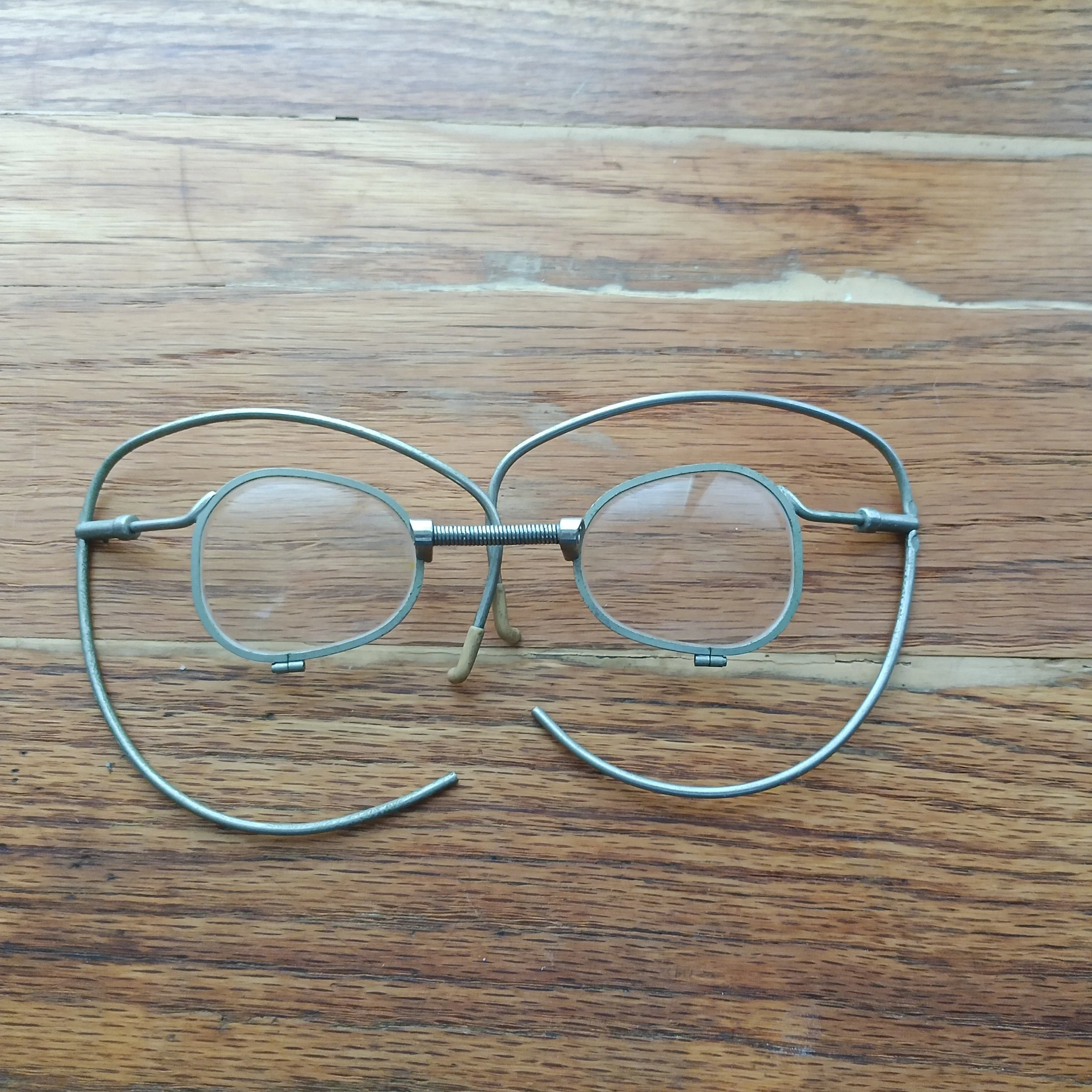 Image 1 of 7
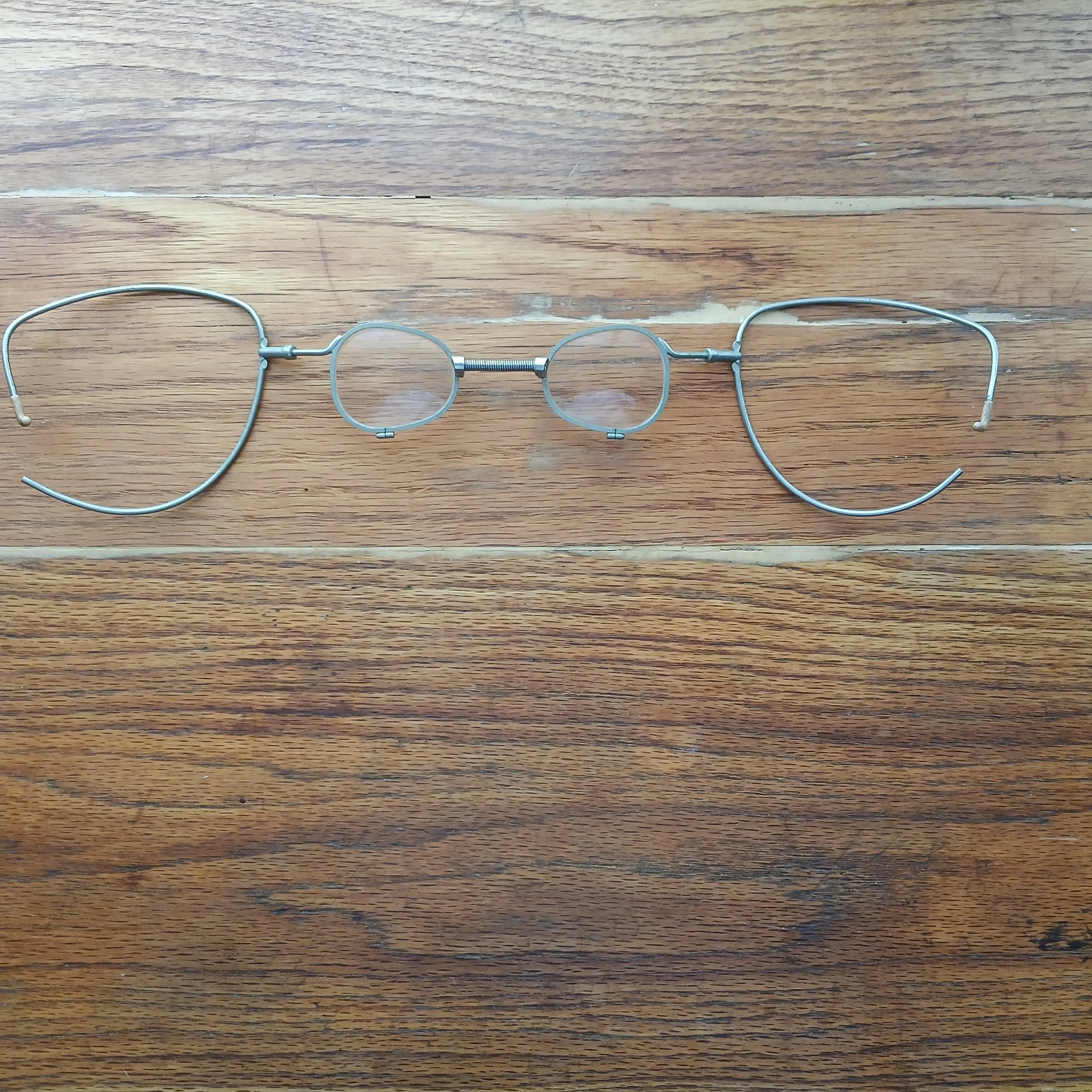 Image 2 of 7
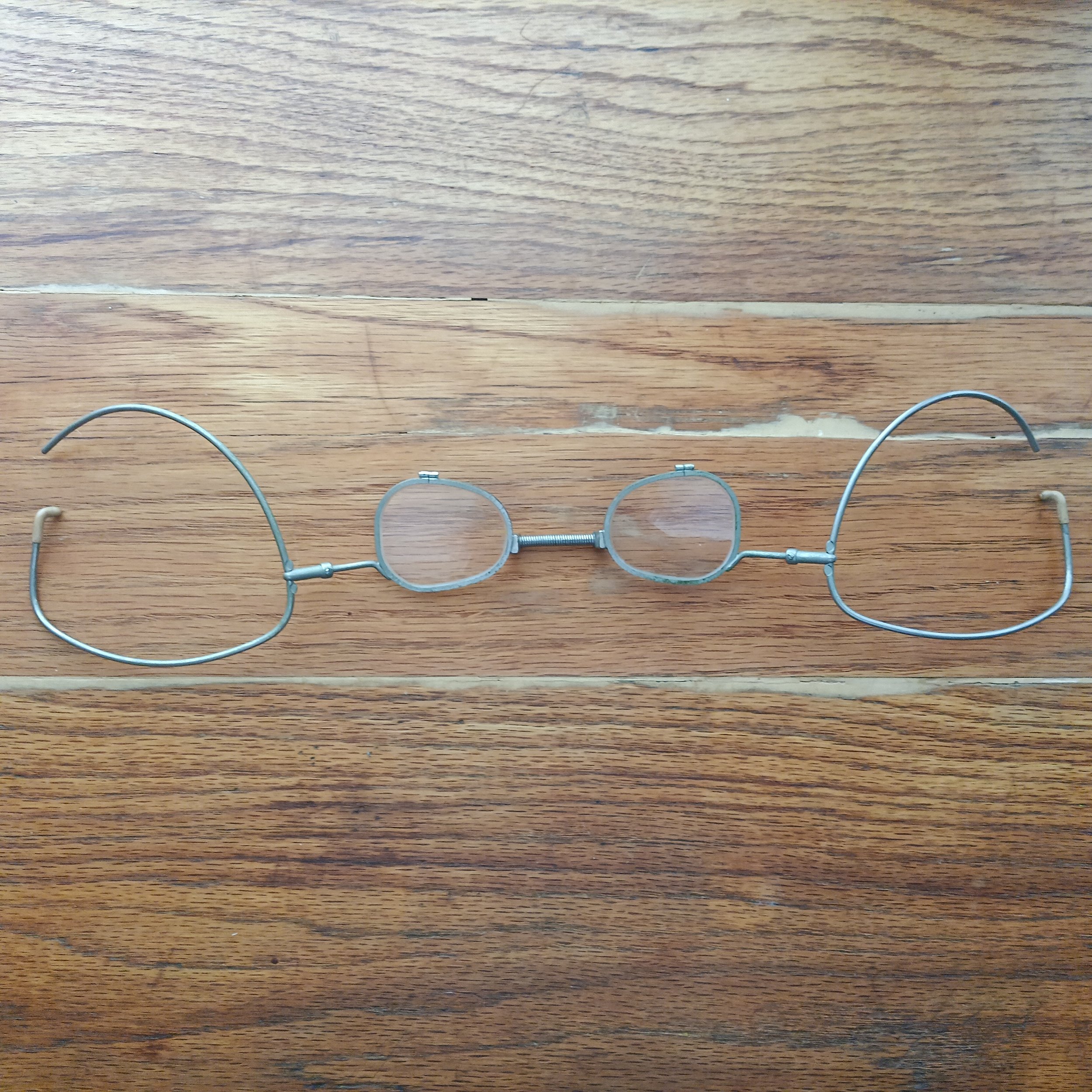 Image 3 of 7
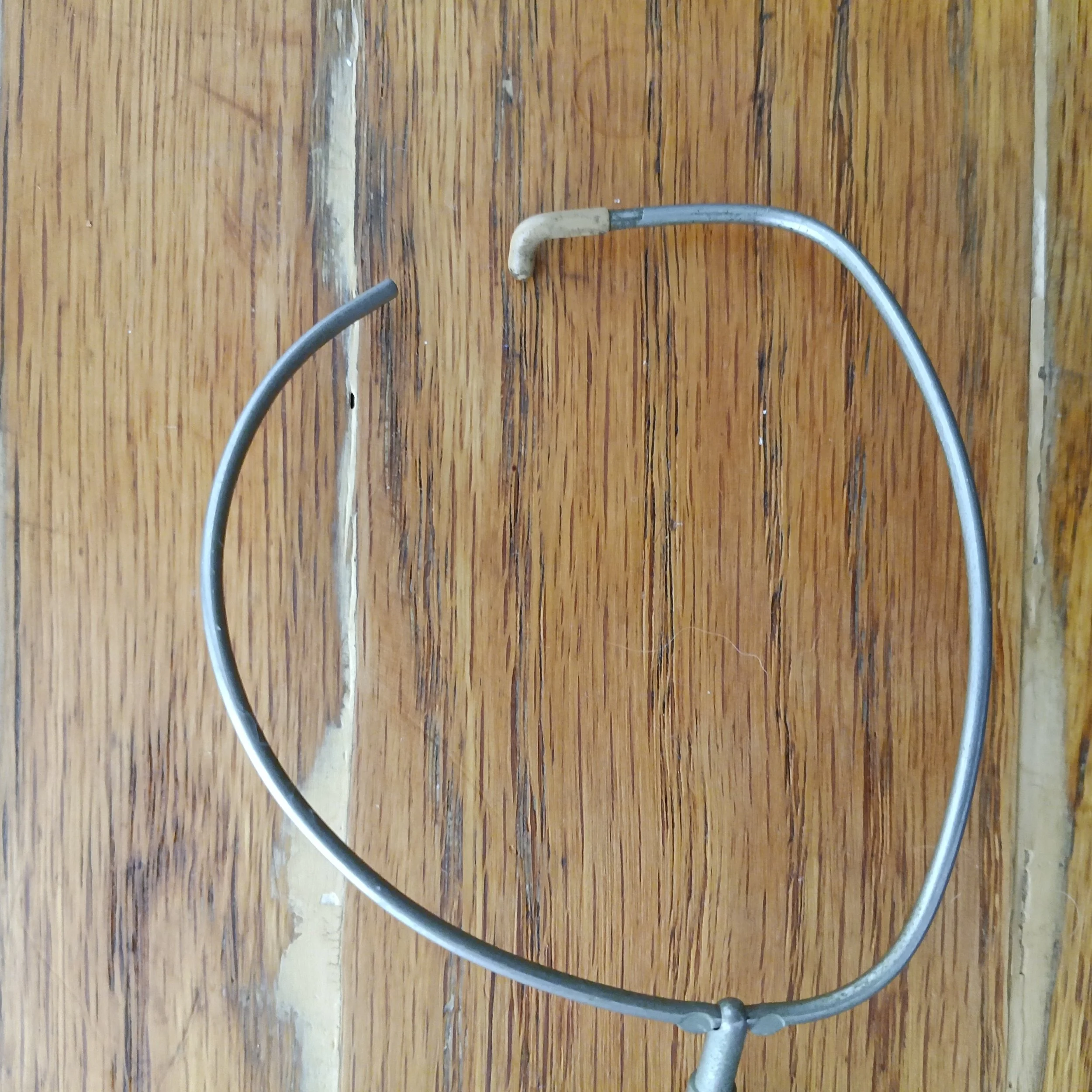 Image 4 of 7
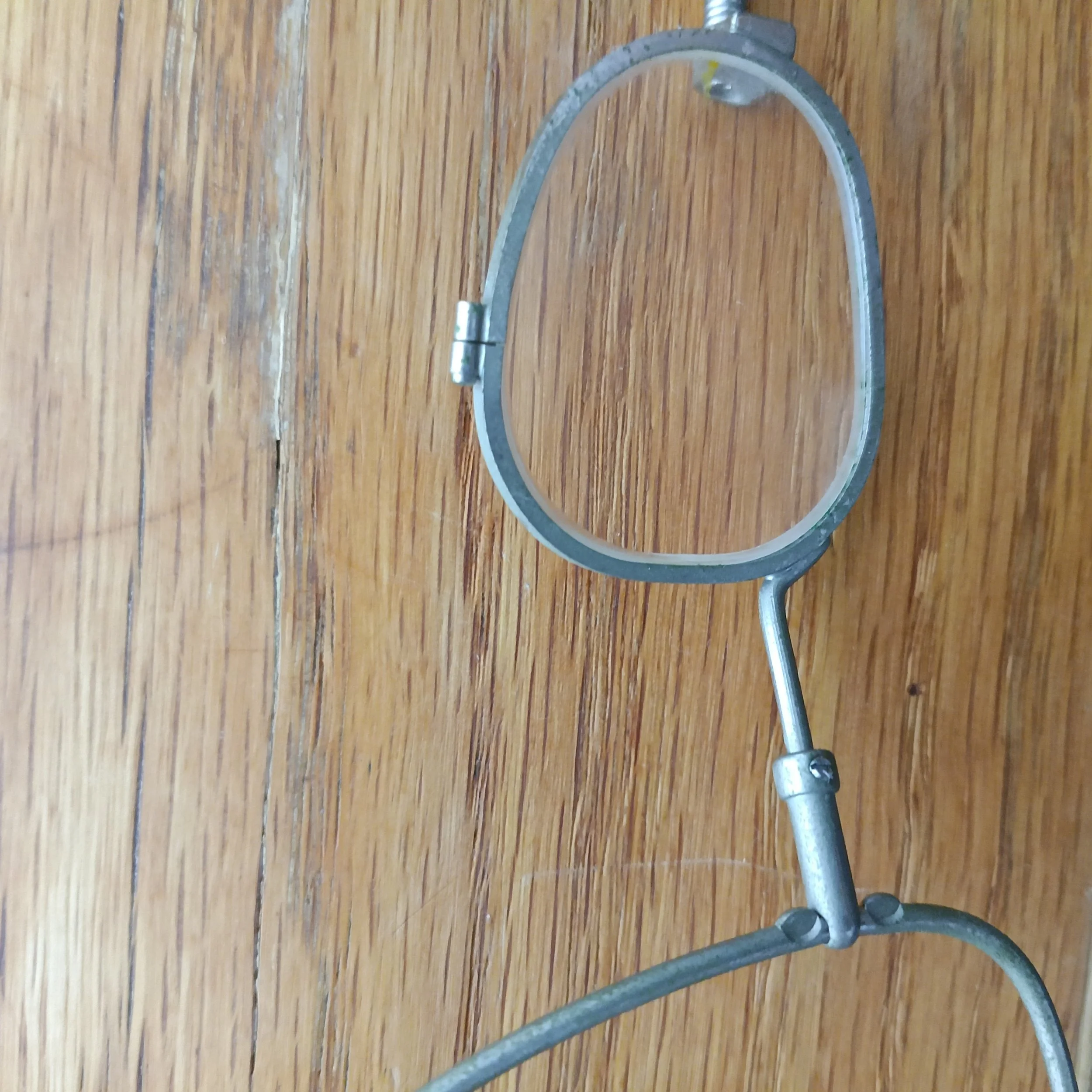 Image 5 of 7
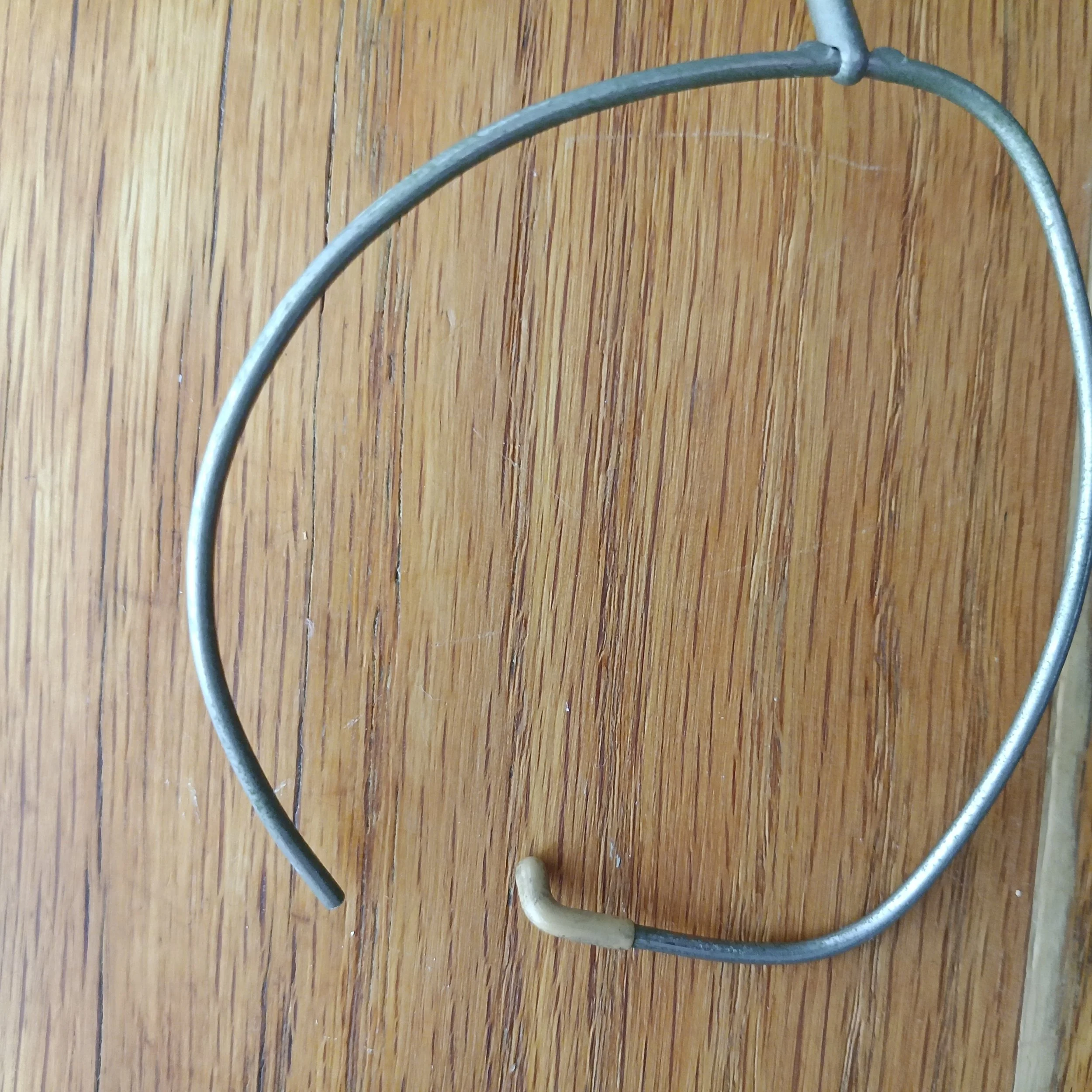 Image 6 of 7
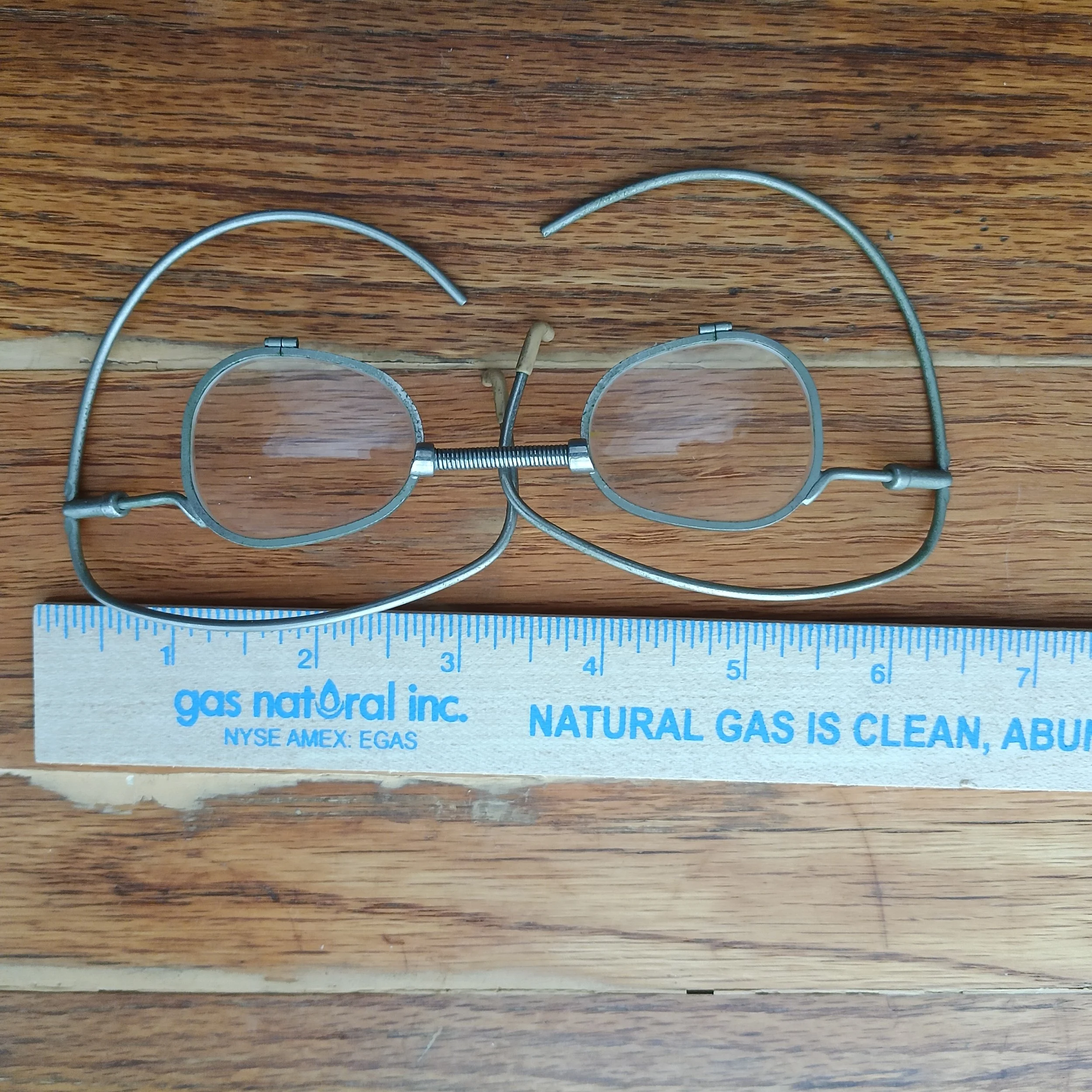 Image 7 of 7